14 Key Areas of Business Process Automation in Healthcare
Hospital administrators face mounting pressure from insurance claims processing, appointment scheduling conflicts, and manual data entry, while nurses spend valuable time on paperwork instead of patient care. Business process automation in healthcare transforms how medical facilities handle patient intake, billing, compliance documentation, and inventory management. These solutions streamline administrative workflows, reduce costly errors, and allow staff to focus on delivering exceptional patient care. Healthcare organizations can redirect resources toward patient-facing services while cutting processing times from hours to minutes.
Automation tools work alongside existing teams to handle repetitive tasks like appointment confirmations, insurance verification, and medical record updates with remarkable accuracy. These solutions ensure compliance requirements are met consistently without constant human oversight. Healthcare facilities can achieve operational excellence while maintaining the personal touch that patients expect. Organizations ready to transform their workflows can explore how Bud's AI agent delivers intelligent automation tailored for healthcare environments.
Table of Contents
- Why Healthcare Operations Are Still Heavily Manual and Inefficient
- What Business Process Automation Actually Means in Healthcare
- 14 Key Areas Where Healthcare Automation Delivers Real Value Today
- How to Implement Business Process Automation in Healthcare Without Creating Compliance Risks
- Automate Repetitive Workflows by Giving AI Real Execution Power, Not Just Suggestions
Summary
- Administrative tasks consume 25% of healthcare operating budgets according to CSI Companies' research, representing resources that could otherwise support direct patient care. This inefficiency stems from fragmented systems that don't communicate with each other, forcing staff to manually bridge gaps through phone calls, duplicate data entry, and verification processes that introduce errors at every handoff point. The financial waste compounds into human costs as 30% of healthcare workers experience burnout directly linked to repetitive manual tasks that dominate their workdays.
- Healthcare automation delivers measurable outcomes when implemented in specific operational areas. AI-powered diagnostics raised breast cancer detection rates by 37% according to JAMA Network research, while automated pharmacy systems reduced medication errors by 50% as reported by the National Institutes of Health. Cleveland Clinic cut administrative costs by 25% through automated billing that flags coding errors before claim submission, and Mayo Clinic increased scheduling efficiency by 30% with AI-driven patient management systems that pre-populate information before appointments begin.
- The distinction between administrative automation and clinical judgment determines the success of implementation. Scheduling appointments, verifying insurance eligibility, and routing lab results represent pure data manipulation, where machines reduce errors compared to manual processing. Diagnosing conditions, determining treatment protocols, and evaluating medication interactions involve clinical expertise that AI supports but cannot replace. Organizations achieve 50% faster claims processing when automation handles administrative workflows while preserving human oversight for decisions requiring medical judgment.
- Most AI tools stop at generating recommendations, leaving execution entirely manual and creating bottlenecks where staff still spend hours navigating portals and filling out forms. The efficiency gain disappears when a system identifies 50 prior authorizations requiring follow-up, but staff still complete each one manually. Real value emerges when AI agents independently execute tasks by navigating insurance portals, extracting clinical documentation, and submitting requests without constant human intervention beyond approval and review.
- Compliance automation matters because healthcare regulations require comprehensive documentation of who accessed patient records, what information they modified, and whether the access was for legitimate treatment purposes. Manual compliance tracking fails because it relies on staff to remember to log actions and on supervisors to review access logs periodically. Automated systems create real-time audit trails that capture every interaction and immediately flag unusual access patterns, rather than discovering violations during quarterly audits.
- Bud's AI agent addresses the execution gap by giving agents full computer access to interact directly with applications, rather than limiting them to advisory roles, navigating among scheduling systems, insurance databases, and patient records to complete multi-step workflows without the context-switching delays and transcription errors that slow manual processing.
Why Healthcare Operations Are Still Heavily Manual and Inefficient
Healthcare organizations work with broken systems that don't talk to each other, forcing staff to manually connect gaps between electronic health records, billing platforms, scheduling tools, and insurance verification databases. The infrastructure exists, but it operates in separate sections requiring human intervention at nearly every handoff point. This transforms what should be seamless workflows into multi-step manual processes consuming hours of staff time daily.
Key Point: The problem isn't missing technology—it's the lack of integration between existing systems that creates unnecessary manual work.
"Healthcare staff spend hours daily bridging gaps between disconnected systems, turning simple tasks into complex multi-step processes."

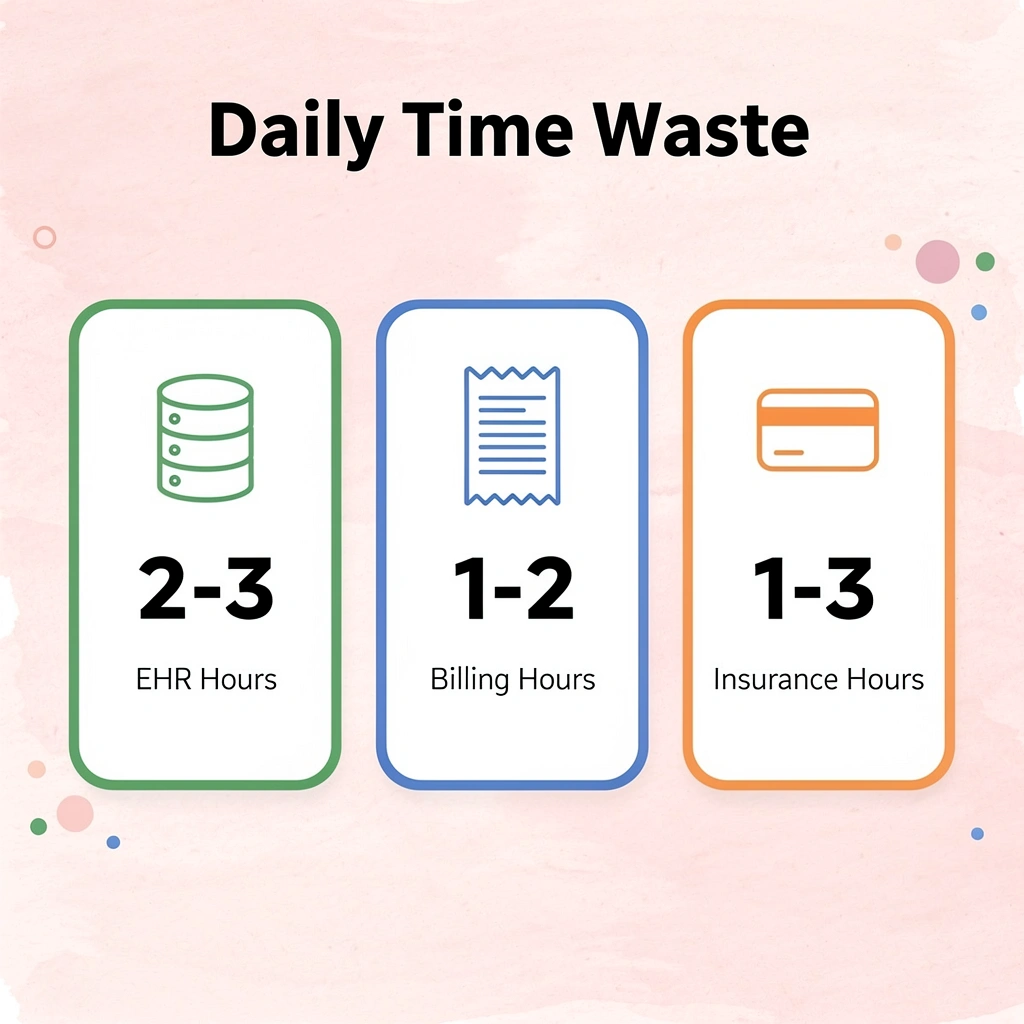
| System Type | Manual Tasks Required | Time Impact |
|---|---|---|
| EHR Integration | Data entry across platforms | 2-3 hours daily |
| Billing Coordination | Manual verification steps | 1-2 hours daily |
| Insurance Processing | Cross-platform data matching | 1-3 hours daily |
| Warning: These disconnected workflows don't just waste time—they create multiple opportunities for human error and patient care delays. |
What percentage of healthcare budgets goes to administrative tasks?
CSI Companies reports that healthcare organizations spend 25% of their operating budgets on administrative tasks, a proportion that most other industries cannot sustain. Every insurance verification call, manual chart update, and paper form transcription diverts resources from patient care while slowing processing throughout the care delivery chain.
How does administrative burden affect healthcare workers?
The administrative burden exhausts those managing it. Oracle's healthcare research shows that 30% of healthcare workers experience burnout, directly linked to repetitive manual tasks.
When a nurse spends 20 minutes finding a patient's prior authorization status through phone calls and portal searches, that time is lost to clinical care. When registration staff manually type insurance information that already exists in another system, they perform data entry that machines should handle while patients wait in lobbies.
What are the real-world consequences of disconnected systems?
Real consequences occur when patient processing delays cause clinical errors due to information gaps. A pediatrician offering early measles vaccination during an outbreak shouldn't need to collect eligibility information from multiple disconnected systems.
Child care facilities shouldn't have to use Facebook groups and Google searches to understand public health protocols because centralized reporting systems don't exist. Critical information is stored in separate databases that require manual matching, creating dangerous gaps in care coordination.
Why do small clinics succeed with manual processes?
A small clinic processing 30 appointments daily can manage paper-based workflows and phone call verifications. A clinic serving 200 patients faces a different reality: approval chains fragment across email threads, context gets buried in inbox clutter, and response times stretch from hours to days.
Manual processes don't scale because they weren't designed for the complex, multi-step workflows required by modern healthcare delivery.
How do AI agents solve complex workflow challenges?
Solutions like Bud address this scaling challenge by giving AI agents full computer access to handle workflows across entire systems, rather than limiting automation to narrow, predefined tasks. Our platform enables healthcare processes to move beyond simple linear sequences and handle complex webs of interdependent actions requiring context awareness and adaptive decision-making across multiple platforms.
When an AI agent independently navigates scheduling systems, insurance databases, and clinical records to complete a full patient intake workflow, it eliminates the manual handoffs that create bottlenecks and errors.
But understanding why these inefficiencies persist only scratches the surface of what needs to change.
What Business Process Automation Actually Means in Healthcare
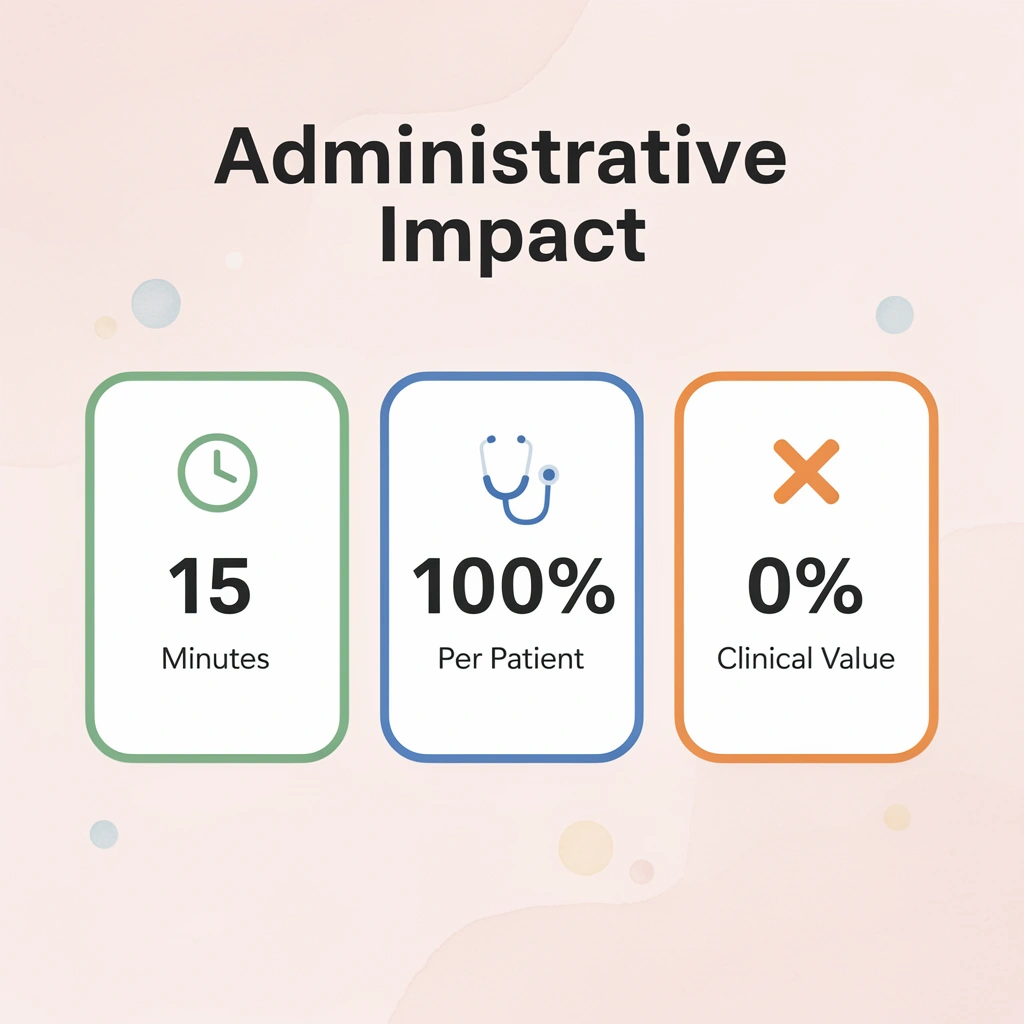
Healthcare automation focuses on the systems that support clinical work, not the clinical decisions themselves. When a scheduling system automatically checks insurance eligibility and fills in patient intake forms, it eliminates manual phone calls and data entry, consuming 15 minutes of staff time per appointment. The value isn't replacing nurses or doctors—it's removing administrative friction that prevents them from doing their jobs. Key Point: Business process automation in healthcare targets the administrative burden that consumes clinical staff time, allowing healthcare professionals to focus on patient care rather than paperwork.
"Administrative tasks consume up to 15 minutes of staff time per patient appointment, creating significant operational inefficiencies in healthcare delivery." Takeaway: The real power of healthcare automation lies in eliminating repetitive tasks that create operational drag, not in replacing the human expertise that drives quality patient outcomes.
What's the difference between clinical and administrative automation?
Making clinical decisions (diagnosing conditions, determining treatment protocols, evaluating medication interactions) requires human expertise, contextual understanding, and ethical judgment that AI supports but cannot replace. Administrative workflows (scheduling appointments, routing insurance claims, updating patient records, logging compliance documentation) involve repetitive data processing that machines handle more efficiently.
When a billing specialist spends three hours daily manually entering claim codes already in the EHR system, that represents a systems integration failure, not meaningful work.
How does healthcare automation operate across different layers?
Automation in healthcare works across five operational layers. Scheduling automation lets patients book appointments, receive reminders, and view real-time availability, eliminating phone calls between patients and front desk staff. Patient intake workflows digitize forms, verify insurance coverage, and route documentation to the relevant departments before appointments, reducing registration time from 20 minutes to under 5 minutes. Billing and claims processing automation matches procedure codes to payer requirements, flags errors before submission, and tracks reimbursement status, eliminating the need for manual follow-up calls that consume hours of administrative staff time weekly.
What impact does automation have on data management and compliance?
EHR data routing ensures lab results reach the ordering physicians, medication lists remain current across care teams, and discharge summaries populate primary care records without manual entry. Compliance logging creates automated audit trails for regulatory requirements, documents record access, tracks consent forms, and monitors who handled protected health information. These capabilities distinguish between a nurse spending 90 minutes on documentation versus 30 minutes, and a patient waiting three weeks for prior authorization versus three days.
Why does administrative burden impact healthcare more than expected?
CSI Companies reports that administrative tasks consume 30% of healthcare workers' daily time, hours that could be spent on direct patient care or strategic improvements. When clinical staff rush through patient interactions due to charting backlogs, when operational teams can't improve supply chains because they process purchase orders manually, and when quality initiatives stall while awaiting compiled reports, administrative burden directly compromises care quality and organizational performance.
How do AI agents handle complex healthcare workflows?
Solutions like Bud address this by giving AI agents full computer access to handle multi-step workflows across entire systems, rather than automating isolated tasks. Traditional automation requires predefined rules and rigid process maps, breaking down when workflows involve judgment calls or system-specific navigation.
An AI agent with full computer access can independently navigate scheduling platforms, insurance databases, and clinical records as a human administrator would, without cognitive load, fatigue, or context-switching delays.
What makes healthcare automation truly effective?
The real test of healthcare automation is whether it can handle complex, connected workflows without creating new problems or requiring constant human intervention to fix system gaps. When automation cuts prior authorization processing from 45 minutes of phone calls and portal searches to eight minutes of automated verification and routing, it transforms what becomes possible in care coordination and patient access.
But knowing what automation can do in theory doesn't show where it creates the most real value in practice.
14 Key Areas Where Healthcare Automation Delivers Real Value Today
Healthcare automation creates measurable value by preventing operational failures that compromise patient safety, financial stability, or access to care. The question isn't whether automation saves time—it's what breaks when critical workflows remain manual: phone calls, duplicate data entry, and manual verification processes that introduce errors at every handoff point.

Key Point: Healthcare automation delivers the most value when it eliminates high-risk manual processes that directly impact patient outcomes and operational efficiency.
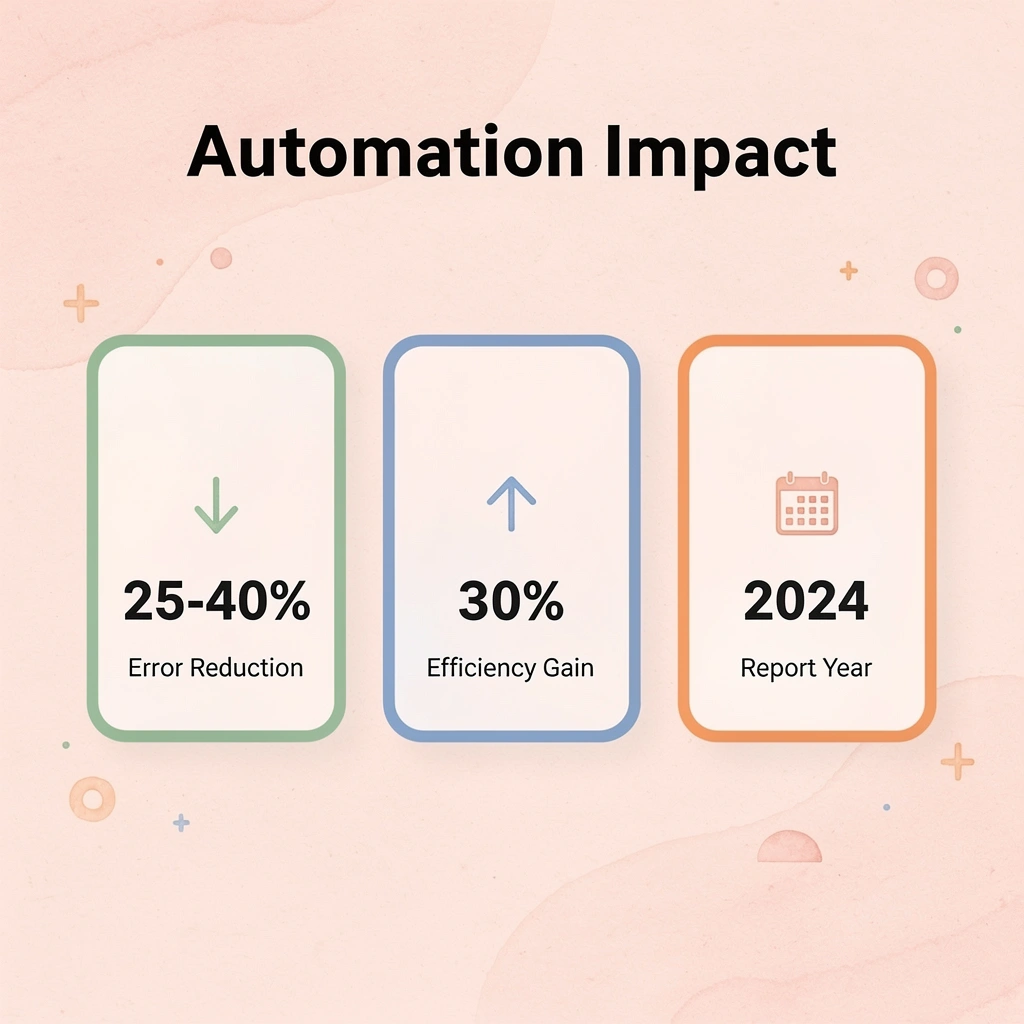
Critical Insight: The real ROI of healthcare automation isn't just time savings—it's preventing the cascading failures that occur when manual processes break down during peak demand or crisis situations.
1. Automated Patient Intake and Onboarding
Without automated intake, patients spend 15 minutes filling out forms with information already in their primary care records. Staff manually enter this data into the EHR system while patients wait, leading to demographic errors that result in insurance verification failures and delayed treatment starts.
What impact does implementation have on patient flow?
Data extraction tools ingest documents, recognise text fields, and route information to the correct system locations without manual data entry. According to McKinsey research, this method can reduce patient wait times by up to 50% while eliminating typing errors that compromise billing and clinical documentation.
How do leading healthcare systems implement automated intake?
Mayo Clinic implemented an AI-powered automated patient management system that increased scheduling efficiency by 30%. The system populates patient information across all relevant platforms before appointments, ensuring specialists have complete medical histories, current medication lists, and verified insurance details ready when patients arrive.
2. Appointment Scheduling and Automated Reminders
Manual scheduling creates bottlenecks where front desk staff answer phone calls, check provider calendars, verify insurance networks, and play phone tag with patients. This approach breaks down when patient volume exceeds what a few staff members can handle simultaneously.
What benefits do automated scheduling systems provide?
Automated scheduling systems match patient needs with provider availability, enabling online booking that reduces inbound call volume by 60% or more. Integration with EHR and practice management systems ensures patients see real-time availability, preventing double-bookings and scheduling conflicts.
How do automated reminders improve patient experience?
Text messages and emails replace paper cards and voicemail, which patients easily ignore. When reminders include links to patient portals for pre-visit form completion, registration time drops from 20 minutes to under five minutes, eliminating lobby congestion.
3. Electronic Health Records Management and Data Sharing
EHR systems become essential to hospital and clinic operations only when information flows seamlessly between departments and external partners. Without automated information sharing, doctors make diagnostic decisions based on incomplete medical histories: lab results from other facilities never reach the ordering physician, medication lists fail to update when specialists prescribe new treatments, and discharge summaries remain siloed while primary care providers access different systems.
What happens when EHRs integrate with enterprise systems?
Connecting EHRs with enterprise resource planning systems shares clinical data with financial teams tracking procedure costs, research departments analyzing treatment outcomes, administrative units managing supply chain logistics, and compliance teams auditing documentation completeness. This integration transforms static patient records into operational intelligence supporting decisions across the entire organization.
4. Data Entry, Extraction, and Reporting Automation
Paper-based patient records create permanent gaps in medical histories, compromising clinical decision-making. A patient's previous heart workup might exist only as a faxed document in a filing cabinet at a facility they visited five years ago, information that never reaches their current EHR unless someone manually enters it.
What role does AI play in clinical documentation analysis?
Natural language processing, combined with generative AI, analyzes unstructured data from clinical notes, radiology reports, and pathology findings to produce automated summaries. This proves valuable when a hospitalist needs to understand complex medical history at 2 AM, when compliance teams audit documentation for quality metrics, or when researchers analyze treatment patterns across thousands of patient records.
5. Automated Billing, Payments, Claims, and Insurance Processing
Nearly three in four health systems use or are implementing billing automation because manual revenue cycle management creates unsustainable costs. According to Blue Prism Healthcare AI Statistics, healthcare organizations can reduce administrative costs by up to 30% through AI-powered automation that handles preauthorization, coding verification, claims submission, and payment reconciliation.
What happens when billing automation fails?
Claim denials increase when billing staff manually match procedure codes to payer requirements and miss small policy changes that trigger rejections. Cash flow suffers as organizations wait weeks for reimbursement while staff contacts insurance companies to determine claim status.
How does automated billing reduce administrative costs?
Cleveland Clinic implemented automated billing that reduced administrative costs by 25%. The system catches coding errors before claims are sent, tracks authorization requirements from different payers, and automatically resubmits corrected claims when denials occur, accelerating the revenue cycle from months to weeks.
6. Cybersecurity Automation and Compliance Management
Manual compliance reporting consumes weeks of staff time gathering documentation, checking access logs, and preparing audit reports. Automated systems enforce compliance by stopping unauthorized access before it happens rather than discovering violations after they occur.
Cybersecurity tools continuously scan networks, identifying real threats while filtering out false alarms. Advanced systems automatically mitigate identified threats by isolating compromised devices and blocking suspicious traffic without human intervention.
7. Diagnostic Support and Decision-Making Tools
Machines help doctors do their jobs better, not take their place. AI tools analyze medical images to identify problems that human inspection might miss, particularly subtle patterns indicating early-stage disease. Research published in JAMA Network found that AI-powered diagnostics raised breast cancer detection rates by 37%, identifying tumors at stages where treatment outcomes improve dramatically.
How does AI automation impact medical workflows?
Pathologists and radiologists use smart automation to flag cases requiring careful review, allowing them to focus their expertise on complex diagnoses instead of screening hundreds of normal results daily. Lab automation performs tests and analyzes results within hours rather than days, reducing wait times for results that drive treatment decisions.
What capabilities do AI agents provide for diagnostic workflows?
AI agents with complete computer access can navigate imaging systems, patient records, and reference databases to compile detailed diagnostic reports. Solutions like Bud enable this by managing multi-step workflows across entire systems rather than limiting automation to narrow, predefined tasks within single applications.
8. Remote Patient Monitoring and Care Support
Wearable devices create continuous streams of vital sign data: a single heart patient's device produces thousands of data points daily. Manual review across dozens of patients becomes mathematically impossible.
Automation examines streaming data and alerts care teams when vital signs fall outside acceptable ranges or show concerning trends. This approach saves clinical time while improving patient safety, since algorithms detect subtle changes that might escape human attention during manual chart reviews. Remote monitoring extends access to care for patients who cannot travel to clinics due to mobility limitations, transportation barriers, or geographic distance from healthcare facilities.
9. Medication Management and Automated Dispensing
Without automated dispensing, clinical staff spend hours each day walking to central pharmacies, waiting for medication retrieval, and transporting medications to patient care areas. This leads to medication errors when similar drug names are confused, incorrect dosages are selected, or documentation doesn't match what was administered.
How do robotic systems reduce medication errors?
Robotic systems dispense medications in hospital pharmacies and deliver them directly to nursing stations or patient rooms. The National Institutes of Health reports that automated pharmacy systems cut medication errors by 50%, preventing adverse drug events that extend hospital stays and compromise patient outcomes.
What results do automated prescription systems deliver?
CVS Health introduced automated prescription management that reduced processing time by 40%, freeing pharmacists to counsel patients on medication interactions and side effects rather than counting pills and verifying insurance. The system automatically reorders medications before supplies deplete, preventing shortages.
Email and text message reminders help patients take their medications on time, which directly affects chronic disease management. Patients with diabetes, high blood pressure, or heart disease who consistently take their prescribed medications achieve better outcomes than those who miss doses or discontinue treatment early.
10. Automated Discharge Planning and Management
Discharge is a critical moment when communication failures can directly lead to readmissions. Patients struggle to understand complex instructions about medication schedules, wound care, activity restrictions, and follow-up appointments, while care teams rushing to free beds may overlook critical details in manual discharge summaries.
Automated systems generate electronic discharge forms based on patient records, ensuring prescriptions, follow-up appointments, recovery instructions, and warning signs appear in documents patients take home. This frees discharge nurses to spend time talking with patients and families rather than typing documentation.
11. Document Classification and Organizational Tools
Unorganized documents are everywhere in healthcare: clinical records include handwritten doctor notes, typed radiology reports, and scanned screening surveys, while administrative documents include driver's licenses, insurance cards, payment receipts, and prior authorization forms. Without automated sorting, finding documents requires manually searching through hundreds of files.
Automated scanning, sorting, and classification organize documents by type and content, making them searchable instead of requiring manual browsing. This organization enables analytics by allowing structured documents to be analyzed for patterns, trends, and insights that remain hidden in unorganized files.
12. Automated Patient Surveys and Feedback Collection
Manual survey distribution requires staff to hand patients forms, track completion rates, and manually enter responses into databases. This process fails when patients leave before completing surveys, lose forms, or ignore follow-up requests arriving weeks after appointments, when memories have faded.
Automated systems send surveys via email or SMS after appointments, include reminders for non-responders, and compile results in real-time dashboards showing satisfaction trends across providers, departments, and time periods. This automation is critical for mandated Hospital Consumer Assessment of Healthcare Providers and Systems surveys, which affect reimbursement rates and public quality ratings.
13. Implementing Discharge Instructions
Whether patients recover successfully or face readmission within 30 days depends on following post-discharge instructions. Patients receive guidance on medication timing, wound care, activity restrictions, and warning signs requiring immediate attention. Without automated follow-up, providers cannot verify that patients understand and comply with these instructions.
Automated systems send medication reminders, prescription pickup notifications, and appointment alerts. They also let patients report side effects, complications, or unclear instructions. This two-way connection reduces readmissions by catching problems early, before they become emergencies or require hospitalization.
14. Virtual Health Assistants
AI-powered virtual assistants handle routine patient questions about appointment scheduling, prescription refills, billing inquiries, and basic symptom assessment. Gartner research indicates that virtual health assistants can address 80% of routine patient questions, allowing medical staff to focus on complex cases requiring clinical judgment.
How do virtual assistants improve patient support?
Chatbots and voice assistants provide 24/7 support, giving patients immediate answers to basic questions instead of waiting on hold or for voicemail callbacks. Our AI agents enable healthcare providers to deliver this always-on patient support.
Babylon Health implemented AI-powered chatbots that reduced unnecessary doctor visits by 30%. The system asks patients about symptoms, checks against clinical databases, and recommends self-care, scheduled appointments, or immediate emergency care based on symptom severity and medical history.
What are the risks of not implementing automation?
Virtual assistants help patients engage more actively in their healthcare by improving access. Patients who receive quick answers to simple questions are more likely to follow treatment plans, attend appointments, and seek timely care rather than waiting until conditions worsen.
Without automation, medication errors rise 50%, cancer detection rates drop 37%, claim processing takes 70% longer, and administrative costs consume resources needed for patient care. These differences distinguish high-performing healthcare organizations from those burdened by excessive administrative work.
Setting up automation that delivers these results without creating compliance risks requires careful planning.
How to Implement Business Process Automation in Healthcare Without Creating Compliance Risks
Healthcare automation often fails because implementers overlook rules for handling, storing, and sending patient information. Before deploying automation tools, map out current workflows. Identify which steps create bottlenecks and which exist for safety reasons. Automate only tasks where machines outperform humans without compromising regulatory compliance.
Key Point: Always conduct a comprehensive compliance audit before implementing any automation solution. This critical step prevents costly violations and ensures your automated processes meet HIPAA requirements.
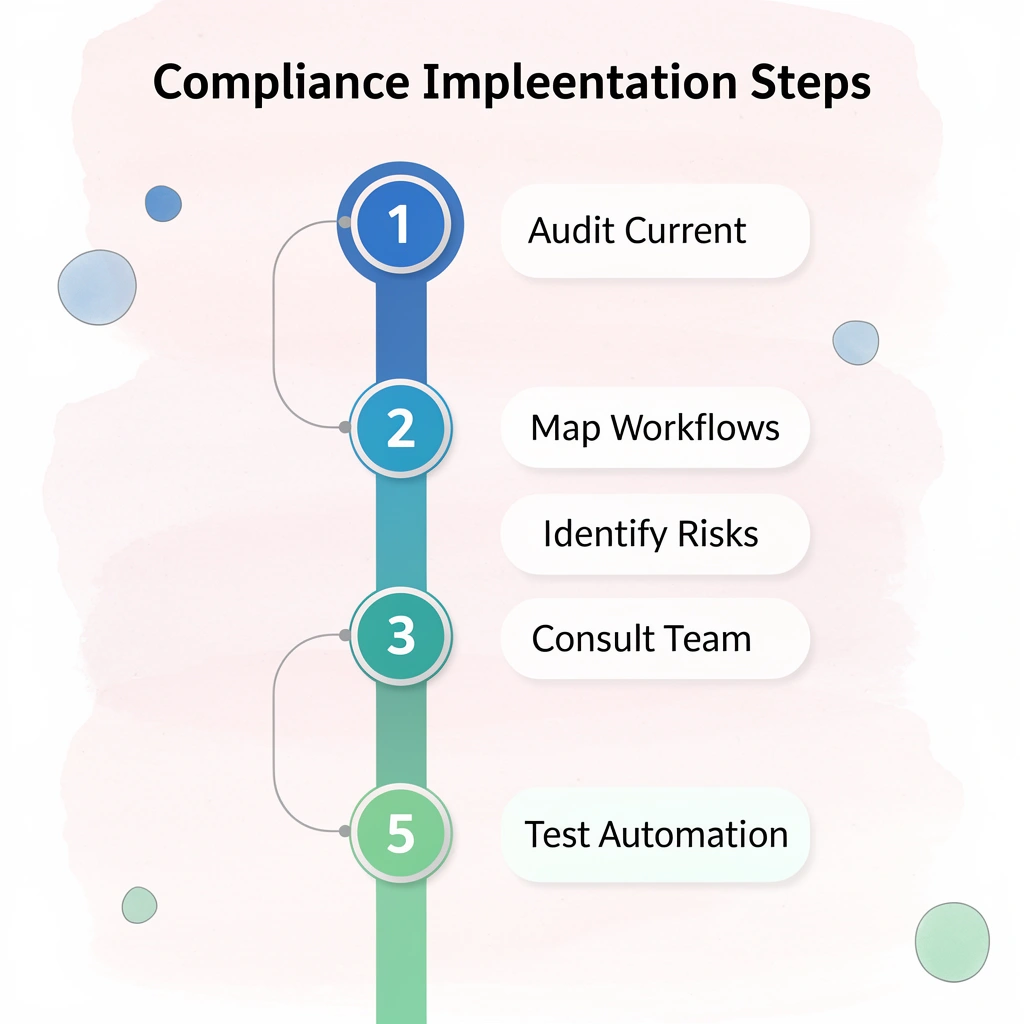
Warning: Never automate patient data workflows without first consulting your compliance team. Even seemingly simple automations can create unexpected vulnerabilities in your data protection protocols.
Why should you document actual workflows instead of ideal ones?
Most healthcare organizations document how work should be done rather than how it actually is done. A written patient intake process might show five simple steps, but in reality, there are 12 handoffs, three insurance calls, typing information into systems that don't talk to each other, and staff finding workarounds for broken connections.
Automation built on how work should happen, automates processes that don't exist, creating unused systems.
How do you observe and document real healthcare workflows?
Good implementation starts with observing how things work as they currently do. Spend full shifts watching registration staff, observing how nurses document patient care, and following insurance claims from submission through payment recording.
The problem areas you find probably won't match what leaders think they are, and the shortcuts staff use often reveal knowledge about how things actually work that official documents don't capture.
What tasks should automation handle versus clinical judgment
Healthcare automation should separate repetitive data processing from clinical judgment. Scheduling appointments, verifying insurance eligibility, routing lab results, generating compliance documentation, and updating patient demographics are pure data-manipulation tasks, where automation reduces errors.
Diagnosing conditions, determining treatment protocols, evaluating medication interactions, and deciding when symptoms require intervention demand clinical judgment that AI supports but cannot replace.
How do organizations avoid dangerous automation boundaries
Organizations that blur this boundary create dangerous automation. A system that automatically schedules follow-ups based on diagnosis codes operates safely. A system that recommends treatment plans without physician review enters clinical territory where errors carry direct patient-safety consequences.
According to MindInventory's research on business process automation in healthcare, organizations achieve 50% faster claims processing when automation handles administrative workflows while preserving human oversight for clinical decisions.
How should you start with low-risk administrative tasks?
Start with low-risk administrative tasks where errors create operational friction but don't compromise patient safety: automated appointment reminders, patient portal registration, insurance eligibility verification, and basic data synchronization between systems. These workflows generate measurable time savings while building organizational confidence in automation's reliability.
Why should you run parallel validation processes?
Run automated processes alongside manual workflows for weeks or months. Compare outputs to identify where automation produces different results from human processing. Some differences reveal that automation catches errors humans missed; others expose edge cases where automated logic breaks down and requires refinement. Only after parallel validation confirms that automated outputs match or exceed manual accuracy should you switch fully to automated processing and expand to higher-risk workflows.
How do modern solutions handle complex healthcare workflows?
Traditional automation platforms require extensive setup and rigid process mapping, which fail when workflows deviate from planned paths. Solutions like Bud address this by giving AI agents full computer access to handle complex, multi-step workflows across entire systems. Our approach enables automation that adapts to healthcare's complex processes rather than forcing operational changes to fit narrow automation capabilities, which proves especially valuable during validation, when you're discovering how workflows actually function rather than how documentation describes them.
How do automated audit trails improve healthcare compliance monitoring?
Healthcare rules require complete records of who accessed patient information, when, what details they viewed or changed, and whether the access served legitimate treatment purposes. Manual tracking fails because it relies on staff to document their actions, on managers to review access logs sporadically, and on audit teams to investigate incidents months after they occur.
MindInventory's healthcare automation research shows that organizations cut administrative costs by 30% when automated systems handle compliance records that previously required many hours of manual work weekly.
What advantages do real-time compliance systems provide over periodic audits?
Automated compliance systems create real-time audit trails that capture every system interaction without manual logging. They flag unusual access patterns immediately rather than discovering violations during quarterly audits, enabling intervention before isolated incidents become systematic problems.
The automation enforces compliance by preventing unauthorized access, restricting data visibility to role-based requirements, and automatically logging exceptions for review.
Automate Repetitive Workflows by Giving AI Real Execution Power, Not Just Suggestions
Most AI tools create recommendations and leave you to do the work. They'll tell you which insurance claim needs to be resubmitted, which patient records need updates, or which prior authorization forms need to be completed, but you still have to open the websites, navigate the interfaces, copy the information, and click through each step. The time you save ends at the suggestion stage, while the actual work remains entirely manual.
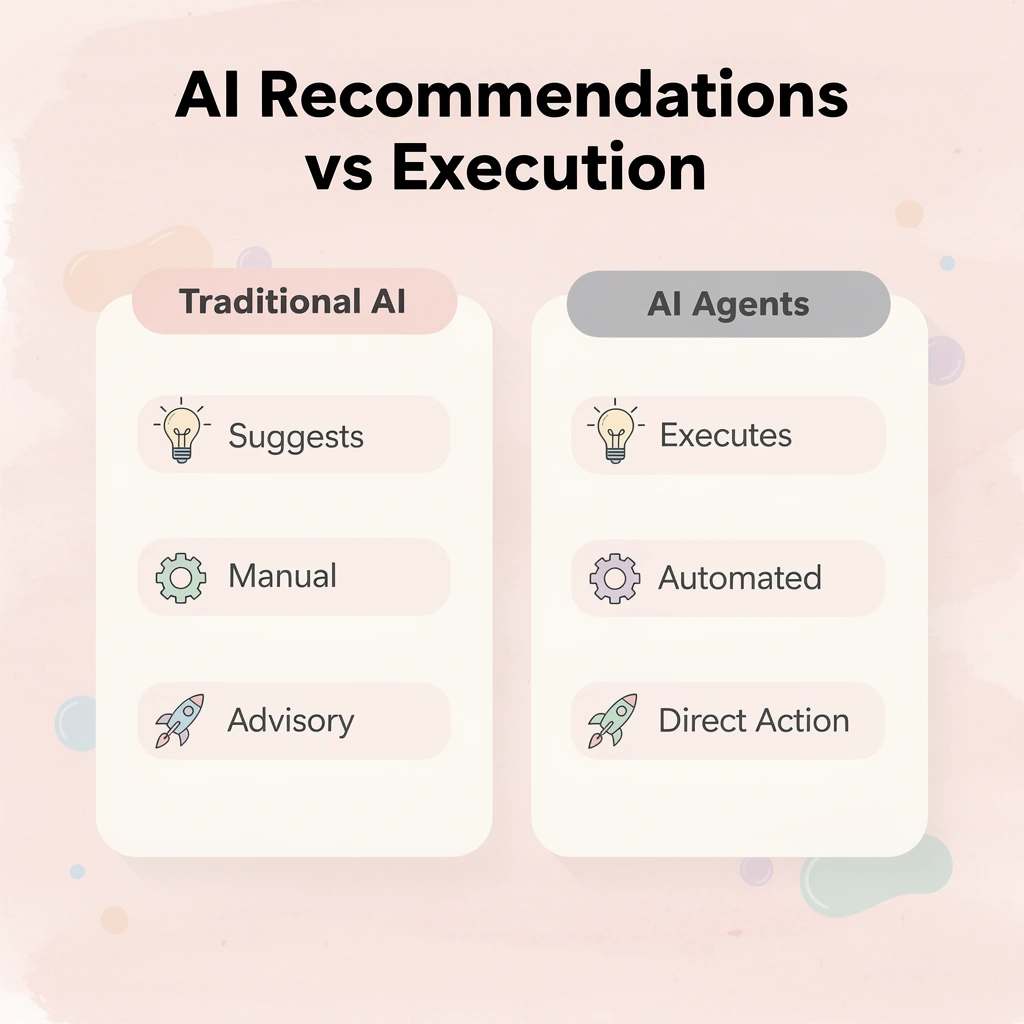
Key Point: A system that finds 50 prior authorizations that need follow-up saves zero time if staff still spend three hours making phone calls and filling out web forms. Real value happens when AI agents can finish those authorizations on their own by going into insurance websites, pulling required clinical information from EHR systems, filling in forms with patient information, and sending requests without human help beyond starting approval and final review.
"Healthcare workflows require navigating legacy interfaces, interpreting system-specific layouts, and adapting to variations across different insurance websites and clinical platforms."
Solutions like Bud solve this execution gap by giving AI agents complete computer access to work directly with applications rather than limiting them to advisory roles. Our AI agents move between scheduling systems, insurance databases, and patient records the same way administrative staff would, but without the context switching delays, fatigue, or transcription errors that slow manual processing. This approach works because healthcare workflows require navigating legacy interfaces, interpreting system-specific layouts, and adapting to variations across different insurance websites and clinical platforms.

Warning: This execution-focused automation works best for repetitive cross-tool workflows like patient intake coordination, claims processing, or appointment scheduling that follow consistent patterns but require touching multiple systems. You assign tasks in plain language, monitor execution in real time, and review outputs before they affect patient care or billing. The oversight remains human, but the mechanical execution shifts to agents that don't get interrupted, don't forget steps, and don't introduce errors when copying information between systems.
The approach proves less suitable for work requiring subjective judgment, nuanced patient interaction, or clinical decision-making where context and expertise matter more than execution speed. Automation handles repetitive mechanics, freeing clinical and administrative staff to focus on decisions and human interactions that require their expertise, training, and judgment.